ON THE LABEL
A name or an E number
The ingredient list says what each additive does, then its name or E number. On the UK's approved list, colours run from E100 to E180.
Check a colour doodlecolors
00FOOD COLOURS, ON THE LABEL
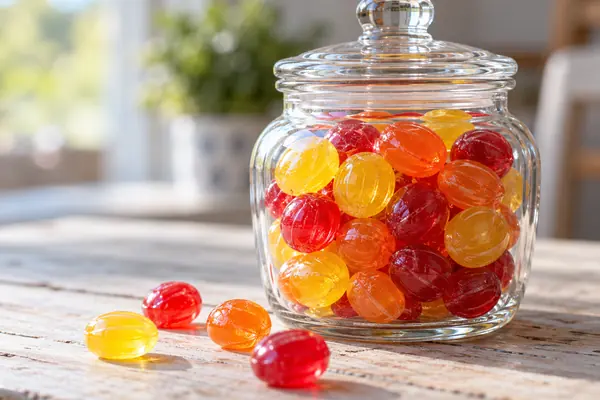
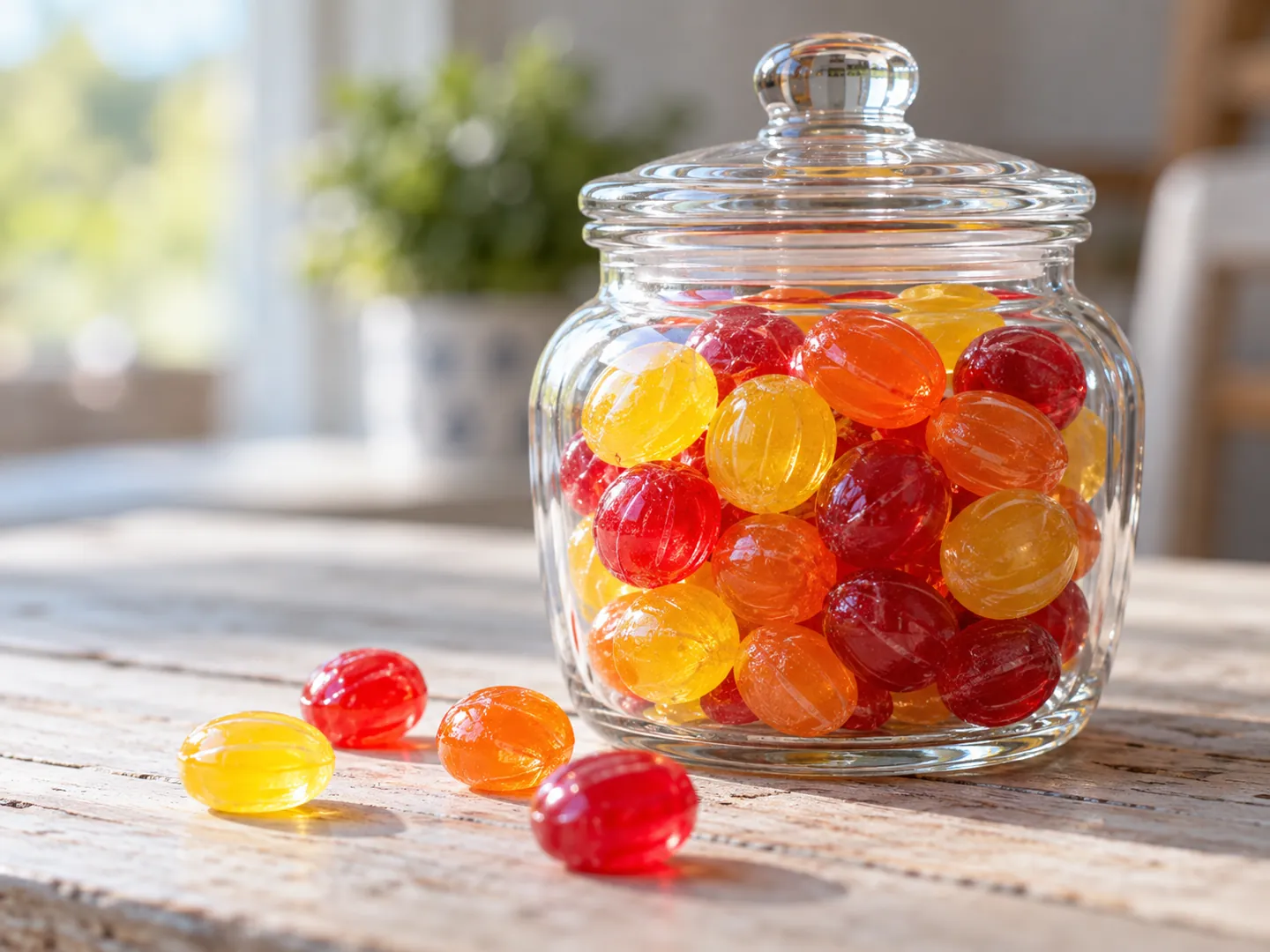
Bright food usually gets some help.
Colours are one of the food additives you are most likely to meet on a UK label. Each one is listed by name or E number, and six artificial colours must carry an extra warning.
Check a colour01Principles
02THE SHORT ANSWER
Colours have to be declared.
A few need a warning as well.
ON THE LABEL
The ingredient list says what each additive does, then its name or E number. On the UK's approved list, colours run from E100 to E180.
Check a colourTHE SIX
After FSA-funded research, food and drink containing any of six artificial colours must say they may have an adverse effect on activity and attention in children.
See the studyFROM NATURE TOO
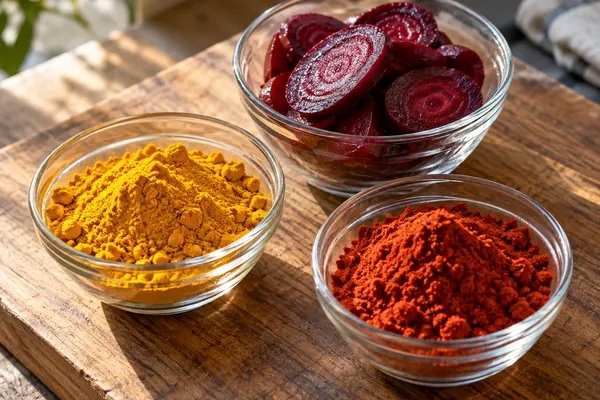
The FSA points out that many additives are chemicals found in nature. The colour list includes curcumin (E100), paprika extract (E160c) and beetroot red (E162).
Read moreGeneral information only, not medical advice. For advice about your own health, speak to a doctor, pharmacist or other qualified health professional.
03A QUICK COLOUR CHECK
Pick a colour you might see on a label. The bar shows how much extra attention the rules give it.
Based on the Food Standards Agency's guidance on food additives and its list of approved additives and E numbers, and EFSA's food colours page. Not medical advice.
04TWO NUMBERS WORTH KNOWING
One figure from the label rule,
one from Europe's safety review.
6 colours
Artificial colours that need a warning
Sunset yellow (E110), quinoline yellow (E104), carmoisine (E122), allura red (E129), tartrazine (E102) and ponceau 4R (E124). A 2007 University of Southampton trial in 153 three-year-olds and 144 eight- and nine-year-olds found effects on hyperactivity.
WARNING LABEL · FSA
41 colours
Food colours re-assessed, 2009 to 2016
EFSA re-evaluated every food colour authorised before January 2009, finishing in 2016. Some, such as titanium dioxide, were looked at again later.
RE-EVALUATION · EFSA
The 2007 trial gave children drinks with artificial colours plus a sodium benzoate preservative, so its authors concluded that the colours, the preservative, or both increased hyperactivity in the general population.
05FOUR THINGS TO LOOK FOR
Everything here is printed on the pack. You do not need to memorise E numbers to find it.
Additives are listed there by what they do, such as colour, followed by a name or E number.
If any of the six colours is used, the pack must say it may have an adverse effect on activity and attention in children.
Numbers from E100 to E180 are colours. Preservatives, sweeteners and other groups have their own ranges.
The FSA notes hyperactivity has other causes too, so watching what a child eats may help but may not stop it.
06WHY COLOURS ARE USED
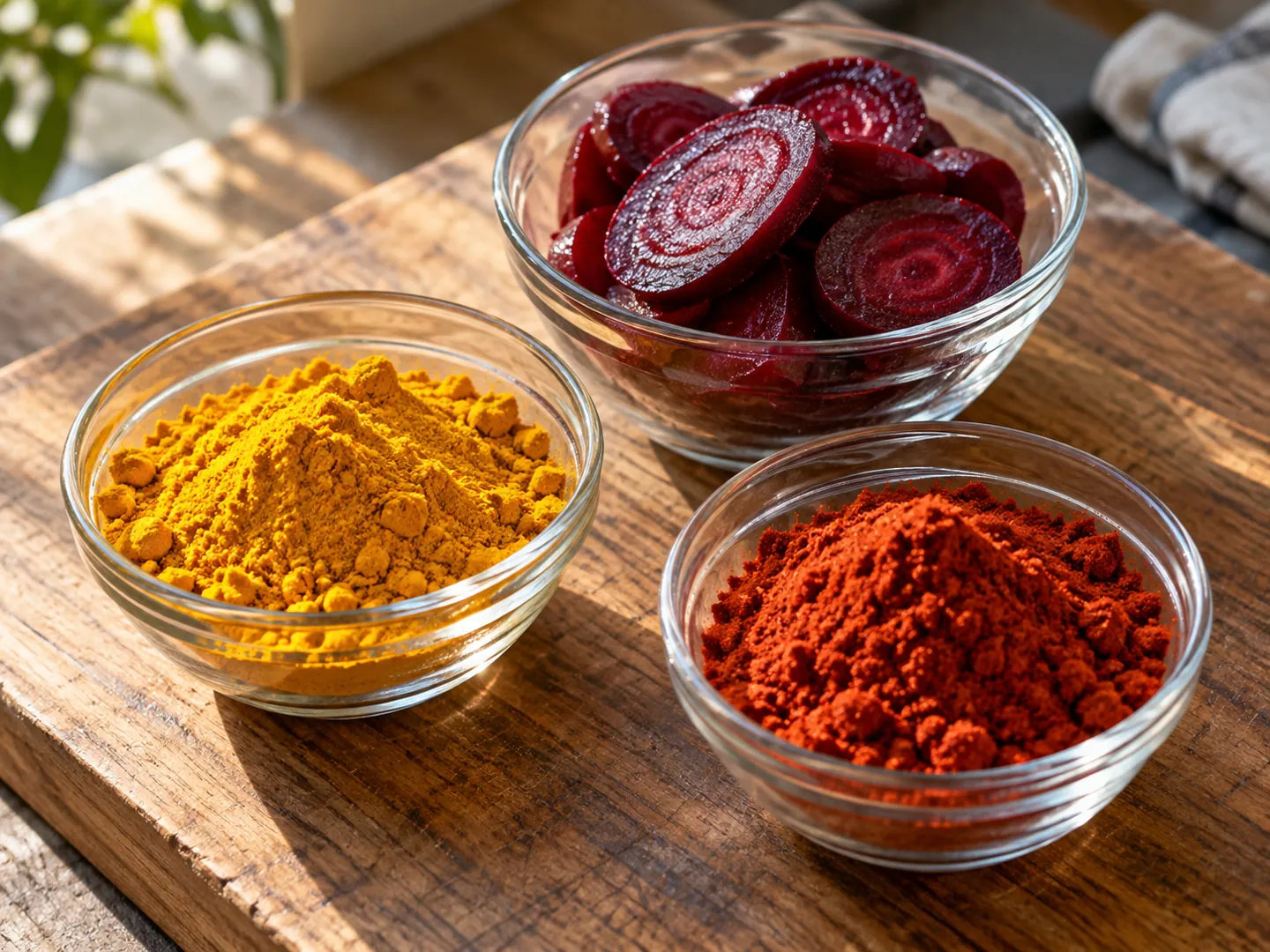
EFSA lists three main reasons for adding colour: to make up for colour lost to light, air, moisture or temperature, to enhance colours already there, and to colour foods that would otherwise be colourless or a different colour.
Before an additive can be used it must be assessed for safety, meet a real technological need and not mislead consumers. Colours turn up in snacks, margarine, cheese, jams, desserts and drinks.
07Questions
Six artificial colours: sunset yellow FCF (E110), quinoline yellow (E104), carmoisine (E122), allura red (E129), tartrazine (E102) and ponceau 4R (E124). Products containing them must carry the warning about activity and attention in children.
It reads: "May have an adverse effect on activity and attention in children". The Food Standards Agency also encourages manufacturers to find alternatives to these colours.
No. The FSA says many additives are chemicals that exist in nature, and that natural and man-made additives go through the same safety evaluations. The colour list includes curcumin, paprika extract and beetroot red.
A 2007 randomised, double-blind, placebo-controlled trial at the University of Southampton. Children aged 3 and 8 to 9 drank mixes of artificial colours with a sodium benzoate preservative, or a placebo, and their behaviour was rated.
EFSA concluded in 2021 that titanium dioxide (E171) can no longer be considered safe as a food additive. The FSA's list notes it has not been permitted in Northern Ireland since 7 February 2022.
08Sources
ABOUT THIS NAME
doodlecolors.com is part of the DoodleSale portfolio. It isn't in an auction right now, but you can ask about leasing it.